


Tentative agreement reached with Newfoundland and Labrador Dental Association
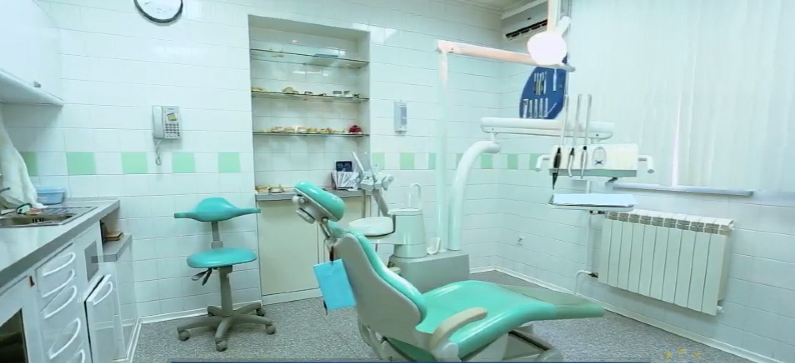
The provincial government and the Newfoundland and Labrador Dental Association have reached a tentative agreement for the continued delivery of the province’s dental programs: the Children’s Dental Program, the Adult Dental Program, and the Surgical Dental Program.
In the coming days, new memorandums of agreement will be signed for the period April 1, 2026, to March 31, 2030. Highlights of the tentative agreement include:
- Introduction of a new rural retention bonus to support retention of 10 dentists already working under a return-in-service arrangement in under serviced areas at a cost of $250,000.
- Increasing the budget by $250,000 for the Rural Dental Bursary Program. This will allow an additional five recipients to be added annually, bringing the total to 15 dentists per year who will practice in under serviced areas in the province.
- Coverage for the surgical extraction of any tooth, including wisdom teeth, through the Adult Dental Program when the extraction is performed by a general dentist.
- Implementation of several new fee codes to better align with private insurance and increasing coverage to 90 per cent of the fees as outlined in the 2026 Newfoundland and Labrador Dental Association Fee Guide for general practitioners.
Specific details will be provided to the dental community in the coming days by the Newfoundland and Labrador Dental Association.
“I would like to thank Dr. Smith and his negotiating team for working closely with officials from my department and Treasury Board these past few months to reach this agreement,” says Lela Evans,
Minister of Health and Community Services. “We know good oral health habits start early and last a lifetime. Newfoundland and Labrador has the most comprehensive children’s dental plan in the country, and together with the new Canadian dental care plan, it is improving access to dental care for both children and adults. I encourage parents to help their children see a dentist early and for adults to continue prioritizing regular dental care.”