


Efforts continue to eradicate invasive Beetle
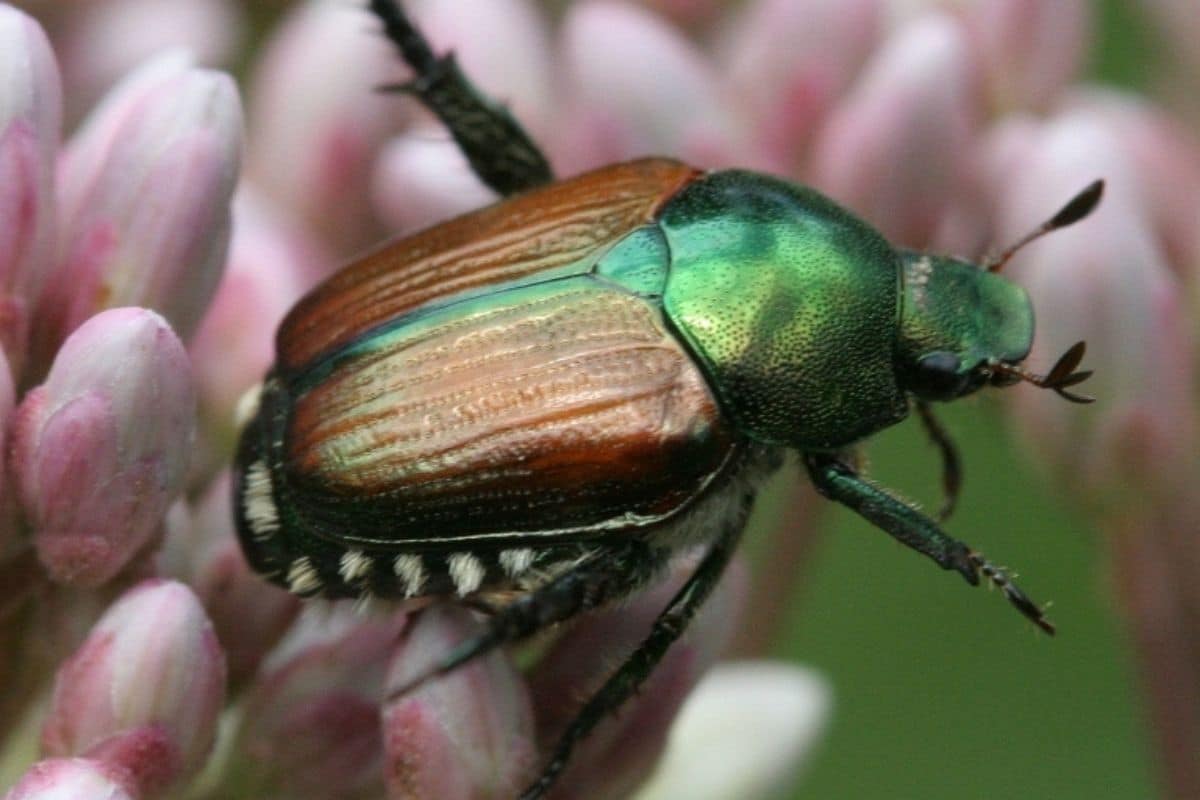
The Department of Forestry, Agriculture and Lands is working with the Canadian Food Inspection Agency and various industry stakeholders to respond to increased detections of Japanese beetle in the St. John’s area.
Japanese beetle, an invasive species in Canada, is regulated under the Plant Protection Act by the Canadian Food Inspection Agency’s Pest Surveillance Program. The agency has detected isolated and sporadic occurrences of Japanese beetle in Newfoundland and Labrador since 2014.
In 2024 and 2025, the species was detected in the St. John’s area, which indicated potential over-wintering as there was no evidence linking the detections to imported plant material, as in previous occurrences.
Work is ongoing to further monitor areas where Japanese beetle has been detected. An eradication program includes restricting the movement of soil and plant material around detected sites, and the use of the larvicide Acelepryn and/or Mamba, which have proven effective against Japanese beetle larvae with no impact on mammals, birds, bees, pollinators, or other animals.
For information on Acelepryn and Mamba, visit Environment and Climate Change’s Pesticide Control website here.
Japanese beetle can spread quickly, especially via wind or through transportation of soil and plants. If not controlled, this insect poses a serious threat to agriculture, horticulture, landscaping and forestry industries, and may result in damage to lawns, sports fields and golf courses. Japanese beetle is known to feed on more than 300 plant species and has no natural predators.